
Every winter the same thing happens: you pull off a woolly hat and half your hair stands on end, the ends feel like straw and your fringe refuses to lie flat. None of this means your hair has suddenly become unhealthy. It is mostly a reaction to dry air, friction and heat, and a few small changes to your routine make a noticeable difference.
This article is general information about everyday hair care. If you have hair loss, a sore or very itchy scalp, or changes you are worried about, speak to a pharmacist or your GP.
Why Hair Misbehaves in Winter
Cold outdoor air holds very little moisture, and when that air is heated indoors its relative humidity drops even further. Your hair and scalp lose water to that dry air, so the outer layer of each strand becomes rougher and more porous. Rough strands tangle more easily, reflect less light and frizz as soon as they meet a damp evening outside.
Static has a simple physical cause. When two materials rub together, such as hair and a hat, scarf or brush, electrons move from one to the other and leave the strands carrying the same charge. Strands with the same charge push each other away, which is why they lift and float. In humid air the charge leaks away quickly. In dry winter air it lingers, so the flyaways stay.
Add hotter showers, more time under the hairdryer and hours inside with the radiators on, and it is easy to see why hair can feel different from November to March.
Washing Without Stripping
Washing is where many winter problems start, because it is the moment you can either add moisture or take it away.
- Turn the temperature down. Very hot water feels lovely on a cold morning, but lukewarm water is gentler on both scalp and lengths.
- Wash as often as your scalp needs, not more. There is no fixed rule. An oily scalp may still need daily washing in winter, while dry, curly or chemically treated hair is often happier with fewer washes a week.
- Rethink your shampoo. If your usual shampoo leaves your hair squeaky and tight, a milder or more moisturising formula may suit you better during the colder months. Our guide to choosing a shampoo for your hair type explains how to match the formula to your scalp and lengths.
- Condition every time. Conditioner smooths the outer surface of the hair, which helps it tangle less and hold less static. Apply it from the mid-lengths to the ends and leave it for a minute or two before rinsing.
A rich hair mask once a week can help dry or coloured hair, but it does not need to replace your normal conditioner. Treat it as an extra, not a fix for a harsh shampoo.
Drying and Styling More Gently
Wet hair is more fragile than dry hair, so the first ten minutes after a shower matter more than you might think.
- Blot, do not rub. Press the water out with a towel or an old cotton T-shirt rather than scrubbing your head.
- Detangle from the bottom up. Use a wide-tooth comb, start at the ends and work towards the roots once the hair is less wet.
- Air dry when you can. On days when you are not going out straight away, let your hair dry partly on its own before using a dryer.
- Use a lower heat setting. If you blow dry, keep the dryer moving and the heat moderate, and finish with a cool shot.
- Protect before you straighten or curl. Hot tools on already dry hair add to the damage, so use a heat protection product and keep tool temperatures as low as gives you the result you want.
Try not to go out into freezing weather with soaking wet hair. It is uncomfortable, and cold, wet hair is easier to snag and break under a hat or scarf.
Taming Static and Flyaways
Once you understand that static is about dryness and friction, the solutions are straightforward.
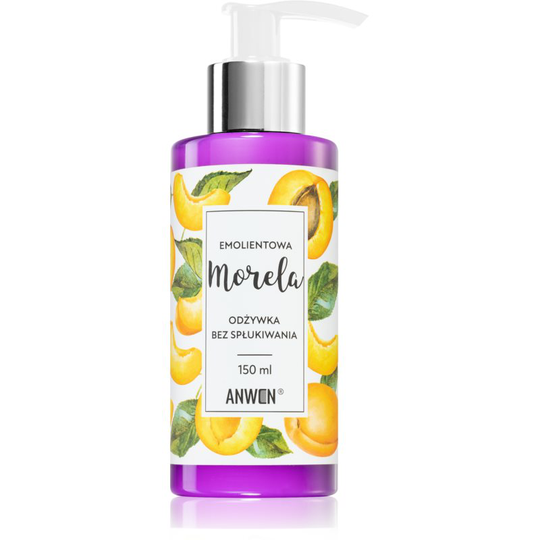
- Use a light leave-in product. A small amount of a leave-in conditioner smoothed over the lengths and ends keeps strands from lifting. Use less than you think and add more if needed, especially on fine hair.
- Brush less. Brush to detangle and style, not as a habit while you are watching television. Every stroke through dry hair adds charge.
- Choose your brush and hat with care. A brush with smooth, widely spaced bristles causes less friction. A hat with a smooth lining, such as satin or silk, is kinder to hair than rough wool directly against it.
- Quick fix on the go. Lightly dampen your hands and smooth them over the flyaways. It only lasts a short while, but it works in a lift or before a meeting.
- Add some moisture to the air. A humidifier in the bedroom can help. If you use one, a cheap hygrometer lets you check the level, and it is sensible to keep indoor humidity from going much above 50 percent to avoid encouraging mould and dust mites.
Some people find that heavy silicone-based products build up over time and make static worse. If your hair feels coated and still flies away, try a clarifying wash and a lighter routine for a few weeks.
Looking After Your Scalp
The scalp is skin, and like the skin on your hands it can feel tight and itchy in winter. Gentle washing, lukewarm water and conditioner kept mostly off the roots are a good start. Our article on home remedies for a dry and itchy scalp has more gentle ideas.
Flakes are not always dryness, though. Dandruff is a common, harmless condition, and the NHS notes that stress and cold weather can make it worse. Anti-dandruff shampoos are sold in pharmacies and supermarkets, and a pharmacist can explain how to use them. See your GP if flaking is still there after about four weeks of an anti-dandruff shampoo, if your scalp is very itchy, red or swollen, or if you have similar flaky patches on your face or body.
Habits That Make Winter Easier
A few longer-term habits help hair come through the season in better shape:
- Keep up with trims. Dry, split ends catch and tangle. Trimming them regularly stops the damage from travelling further up the strand.
- Go easy on colour and bleach. Lightening is one of the harshest things you can do to hair, and it can take longer to recover in winter. Spacing out chemical treatments gives hair time in between.
- Wear looser styles. Tight buns and braids pull on hair that is already more fragile. Fabric hair bands are gentler than rubber ones.
- Eat well. Hair needs the same varied diet as the rest of the body. If you are thinking about supplements, talk to a pharmacist or doctor first, especially if you take medication.
This week, pick two changes and stick to them for a month: lukewarm water and conditioner after every wash is a good pair to start with. After four weeks, look at your ends and your hat-hair moments again, and only then decide whether you need a richer mask or a different shampoo.